


 |
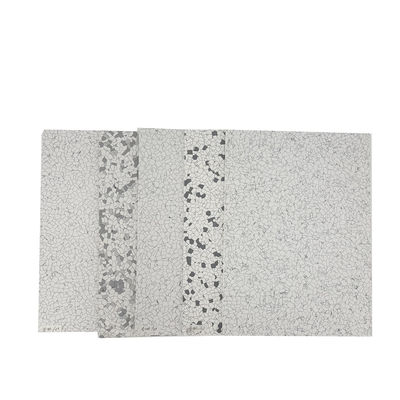
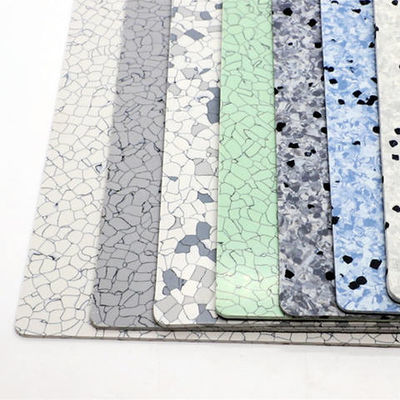
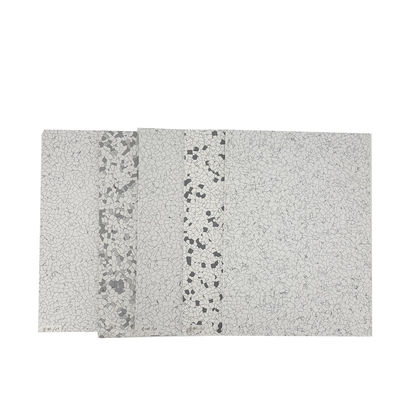
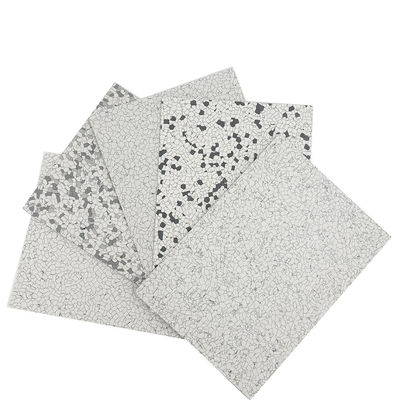
Thảm cao su chống tĩnh điện ESD cung cấp giải pháp kiểm soát phóng tĩnh điện và sàn thoải mái cho trạm làm việc
Thông tin chi tiết sản phẩm:
| Nguồn gốc: | Thượng Hải, Trung Quốc |
| Hàng hiệu: | Herzesd |
| Số mô hình: | Điện tử PVC Gạch |
Thanh toán:
| Số lượng đặt hàng tối thiểu: | 100 |
|---|---|
| Giá bán: | $3.75-6.80 |
|
Thông tin chi tiết |
|||
| Vật liệu: | PVC | Bề mặt điện trở: | 10^4 ~ 10^6 ohm |
|---|---|---|---|
| độ dày: | 2 mm/2,5mm/3 mm | Các yếu tố dẫn điện: | Carbon, than chì, các hạt phủ kim loại |
| Phạm vi phân tán tĩnh: | 10^6 ~ 10^9Ω | Cài đặt lớp lót: | Dẫn điện đồng hoặc chất kết dính carbon |
| Phương pháp nối đất: | Dải đất đồng | Cấu trúc sàn: | Đồng nhất |
| Độ dẫn điện: | Đúng | Kích thước tùy chỉnh: | Đúng |
| Màu tùy chỉnh: | Đúng | Tùy chọn gói: | Cuộn/mảnh |
| Sử dụng trong nhà: | Đúng | Bảo vệ ESD: | Đúng |
| Kiểm soát tĩnh: | Đúng | ||
| Làm nổi bật: | Thảm cao su ESD cho trạm làm việc,Thảm sàn cao su chống tĩnh điện,Thảm kiểm soát phóng tĩnh điện |
||
Mô tả sản phẩm
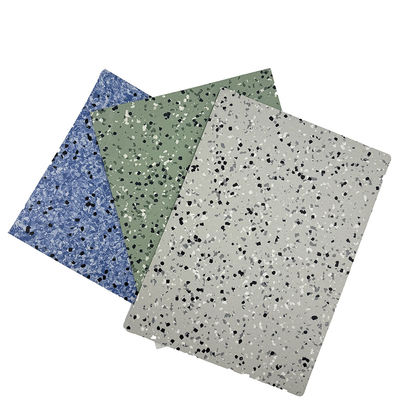
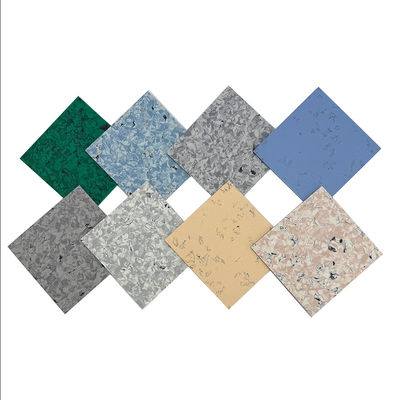
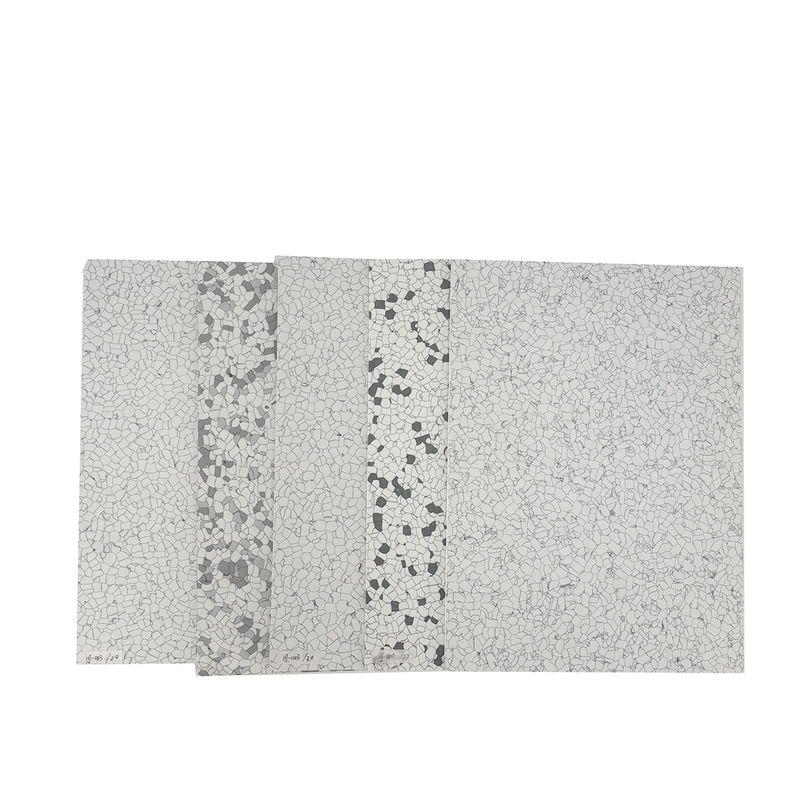
Phân sàn PVC dẫn điện chống tĩnh Mat sàn vinyl gạch trong nhà gạch sàn PVC chống tĩnh gạch ESD
Thông số kỹ thuật sản phẩm
| Thuộc tính | Giá trị |
|---|---|
| Dịch vụ xử lý | Màu tùy chỉnh |
| Tên sản phẩm | Gạch PVC dẫn điện / tấm ESD |
| Vật liệu | PVC |
| Kích thước | Tùy chỉnh được chấp nhận |
| Chống bề mặt | Gạch dẫn điện 10^4 ~ 10^6 ohm |
| Độ dày | 2mm/2,5mm/3mm |
| Sử dụng | Sàn nhà trong nhà |
| Ứng dụng | Công nghiệp/ Văn phòng/ Bệnh viện/ Phòng vệ sinh |
| Tính năng | Chế độ dẫn điện, phân tán điện |
| Gói | Cuộn/bộ |
| Màu sắc | Tùy chỉnh |
Mô tả sản phẩm
Sàn vinyl ESDđược sử dụng rộng rãi trong phòng sạch, xưởng sản xuất và lắp ráp sản phẩm điện tử, bệnh viện, trung tâm dữ liệu và phòng máy tính và các khu vực khác đòi hỏi môi trường chống tĩnh.Có hai loại sàn vinyl ESD: Đĩa ESD và tấm ESD. Cả gạch và tấm đều là cấu trúc đồng nhất, với điện tử kháng đáp ứng cả các yêu cầu dẫn điện (10^4-10^6Ω) và tĩnh phân tán (10^6-10^9Ω).

Làm thế nào sàn kiểm soát tĩnh cung cấp một con đường đến mặt đất
Trong quá trình sản xuất, gạch sàn ESD được nạp các yếu tố dẫn điện, chẳng hạn như carbon, graphite hoặc các hạt phủ kim loại, cung cấp tính dẫn điện.Khi sàn nhà được sạc điện, các yếu tố dẫn điện này hoạt động như một chuỗi điện, dẫn điện từ bề mặt qua toàn bộ độ dày của nó.
Sàn kiểm soát tĩnh được lắp đặt trên lớp phủ dẫn điện, chẳng hạn như tấm đồng dẫn điện hoặc keo chứa carbon.Các lớp dưới hình thành một mặt phẳng đất dẫn điện mà thống nhất tất cả các gạch liền kề lắp đặt trong phòng.
Dải nối đất bằng đồng, được gắn vào lớp nền, được kết nối với ổ cắm điện hoặc đất như một chùm I thép hoặc thanh nối đất.Kết nối điện này cho phép tĩnh hoàn thành mạch của nó và chảy an toàn đến mặt đất.
Tiếng tĩnh được tạo ra khi người ta đi bộ trên sàn ESD chảy với tốc độ được kiểm soát thông qua các yếu tố dẫn điện trong sàn, qua lớp dưới, đến các dải đồng, đến mặt đất.Thay vì ở lại trên bề mặt sàn nhà hoặc di chuyển qua con người đến bất cứ điều gì họ chạm vào, tĩnh được kéo xuống, về phía mặt đất, nơi nó không còn có thể gây ra thiệt hại.
Câu hỏi thường gặp
1Tại sao ESD (Electrostatic Discharge) lại là một vấn đề?
Các thành phần điện tử chứa các bộ phận vi điện tử rất nhạy cảm với những thay đổi nhỏ trong dòng điện.Chúng có thể bị hư hỏng bởi một điện tích tĩnh thấp đến 20 volt - thấp hơn rất nhiều so với ngưỡng nhận thức của con người (3Điều này có thể gây nguy hiểm hoặc phá hủy dữ liệu trong thiết bị nhạy cảm được sử dụng trong bệnh viện, trung tâm dữ liệu và các cơ sở sản xuất.
Các thành phần điện tử chứa các bộ phận vi điện tử rất nhạy cảm với những thay đổi nhỏ trong dòng điện.Chúng có thể bị hư hỏng bởi một điện tích tĩnh thấp đến 20 volt - thấp hơn rất nhiều so với ngưỡng nhận thức của con người (3Điều này có thể gây nguy hiểm hoặc phá hủy dữ liệu trong thiết bị nhạy cảm được sử dụng trong bệnh viện, trung tâm dữ liệu và các cơ sở sản xuất.
2Tại sao sàn kiểm soát tĩnh là cần thiết?
Khi chúng ta đi bộ trên một số sàn nhà nhất định, ma sát tạo ra một điện tích tĩnh ở lại trên cơ thể chúng ta cho đến khi chúng ta chạm vào một cái gì đó, gây ra điện tĩnh (ESD).sự thải này có thể làm hỏng các thành phầnSàn bảo vệ tĩnh là điều cần thiết để ngăn ngừa các sự kiện ESD gây thiệt hại này.
Khi chúng ta đi bộ trên một số sàn nhà nhất định, ma sát tạo ra một điện tích tĩnh ở lại trên cơ thể chúng ta cho đến khi chúng ta chạm vào một cái gì đó, gây ra điện tĩnh (ESD).sự thải này có thể làm hỏng các thành phầnSàn bảo vệ tĩnh là điều cần thiết để ngăn ngừa các sự kiện ESD gây thiệt hại này.
Muốn biết thêm chi tiết về sản phẩm này